
At Hughes Kitchens, we always try to be at the forefront of design innovations, striving to bring the latest trends to our clients.
As 2025 approaches, it’s the perfect time to start planning your dream kitchen. With homeowners now actively looking for ways to make their spaces reflect personal style while meeting practical needs, we’ve rounded up the most exciting and transformative kitchen design trends that will shape the year ahead. From sleek minimalist designs to sustainable materials and advanced technologies, these trends aim to create kitchens that aren’t just functional but also a true reflection of your personality.
After all, the kitchen isn’t just a space for feeding the body—its communal nature also feeds the soul, connecting families and friends.
- Japandi: A Serene Fusion of Japanese and Scandinavian Design
One of the standout trends for 2025 is the Japandi style, which brings together the best of Japanese craftsmanship and Scandinavian design to create serene, functional kitchens. This design philosophy focuses on simplicity, organic textures, and natural materials, offering a calm, sanctuary-like atmosphere in your home.
Key Features of Japandi Kitchens:
- Natural Materials: Think wood, bamboo, and stone, paired with soft, neutral tones to create a sense of tranquillity.
- Clean Lines: Minimalism is central to Japandi style, with sleek furniture and fuss-free silhouettes that keep the space open and uncluttered.
- Textural Contrast: A mix of sleek and rough textures, such as smooth cabinetry paired with tactile finishes like rattan or jute, adds depth and interest.
- Pastels and Light Colours: Light hues are used to brighten the space, contrasting with the often darker natural wood finishes.
- Subtle Details: Details like soft furnishings, cane upholstery, or decorative ceramics add personality and warmth to the design.
Japandi kitchens are perfect for those looking for a calm and visually pleasing space, where every element serves a functional purpose without overwhelming the senses.


- Sustainable Materials: Eco-Conscious Choices That Last
Sustainability continues to be a driving force in home design, and 2025 will see more homeowners choosing eco-friendly materials that are not only beautiful but also environmentally responsible. Consumers are becoming increasingly conscious of their environmental footprint, and the kitchen is no exception.
Sustainable Material Options Include:
- Porcelain Surfaces: Made from recycled materials, porcelain surfaces are durable, low-carbon footprint, and easy to maintain.
- Low-VOC Paint: Non-toxic and safe for indoor air quality, low-VOC paints are essential for a healthier home. Note our Water Based Bio Paints.
- Recycled Materials: Upcycled stone and reclaimed wood are all excellent choices that add a unique, natural aesthetic to your kitchen.
- Energy-Efficient Appliances: Investing in good energy-rated appliances reduces your carbon footprint while cutting down on utility bills.
Sustainability doesn’t mean sacrificing style. From energy-efficient appliances to sustainably sourced wood, incorporating these elements ensures your kitchen is both eco-conscious and beautiful.


- Tactile Textures: The Sensory Experience of Your Kitchen
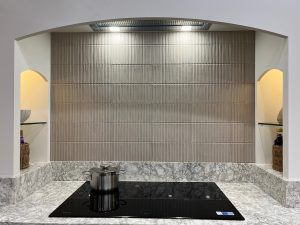
Textures are set to take centre stage in 2025 kitchen designs, with a focus on creating spaces that feel as good as they look (we’re looking at you Japandi). From reeded cabinetry to hand-carved wood finishes, texture adds depth, warmth, and character to the kitchen. It’s no longer just about visual appeal; now, designers are paying attention to the sensory experience of touch.
Textural Elements to Incorporate:
- Reeded and Fluted Finishes: Adding rhythm and visual interest to cabinetry and kitchen islands.
- Natural Stone and Wood: Hand-carved textures or finishes that highlight the natural grain of the material.
- Contrast of Smooth and Rough: Mixing matte, glossy, and rough textures in countertops, backsplashes, and hardware creates a layered, inviting environment.
By carefully combining different textures, you can create a kitchen that invites touch and offers a sense of comfort and warmth.




- Sensory and Accessibility-Friendly Kitchens
That leads us on to our next trend…designing a kitchen that not only looks good but also feels good. Sensory-friendly kitchens focus on creating spaces that stimulate the senses in a positive way, enhancing wellbeing. This trend also embraces accessibility, ensuring that all homeowners, regardless of ability, can use the kitchen comfortably and safely.
Features of Sensory and Accessible Kitchens:
- Soothing Layouts: Thoughtful floor plans with dedicated spaces for different kitchen activities.
- Soft, Natural Lighting: Avoiding harsh overhead lights and instead using layered, ambient lighting to create a calming environment.
- Smart Appliances: Integrating technology that makes kitchen tasks easier and more intuitive for all users.
- Customisable Shelving: Customised shelves and cabinets that can be adjusted to fit larger or bulkier items and makes tools easily accessible.
- Ergonomic Design: Lowered worktops, and pull-out shelves for ease of use and improved accessibility.
By focusing on sensory design and accessibility, kitchens can become places of comfort and connection, catering to all members of the household.




- Concealed Kitchens: Invisible Design for Maximum Impact
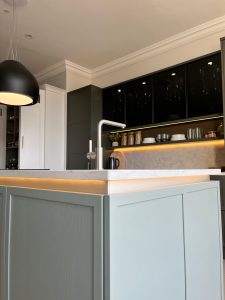
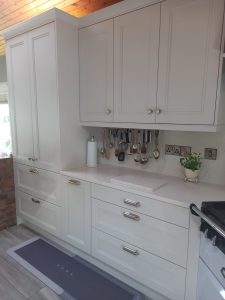
The rise of the “invisible kitchen” trend is a response to the increasing demand for clutter-free, minimalist spaces. A concealed kitchen is all about hiding away the everyday items we don’t want on display while ensuring functionality remains intact. This concept is ideal for those who want an ultra-clean, streamlined kitchen that feels more like a sophisticated living space than a traditional cooking area.
Concealed Kitchen Features Include:
- Hidden Storage: Tall larder cupboards, pocket doors, and deep drawers to conceal everything from kitchenware to small appliances.
- Invisible Utilities: Built-in charging stations, hidden refrigerators, and cleverly integrated appliances.
For those who crave a minimalist approach without compromising on practicality, the concealed kitchen trend is an elegant solution.


- Walk-In Hidden Pantries: A Must-Have for 2025
For those who have the space… you can take concealed kitchens to a new level with a walk-in pantry. Walk-in pantries are making a big comeback in 2025, offering homeowners the space and flexibility to store bulk groceries, oversized appliances, and even a second cooking space. These pantries can serve as a “dirty kitchen,” helping to keep the main cooking area pristine and ready for entertaining.
Key Features of Walk-In Pantries:
- Generous Storage: Store everything from pantry staples to large kitchen appliances.
- Customisable Shelving: Tailor the pantry to suit your needs, with adjustable shelves, baskets, and bins.
- Easy Access: Organize items for easy visibility, reducing clutter in the main kitchen.
Walk-in pantries allow for greater flexibility and help create a more organized, stress-free kitchen.


7. Personalized Beverage Stations: Elevating Your Drink Experience
Beverage stations are becoming a focal point in the kitchen for 2025, whether it’s a built-in coffee bar, smoothie station, or wet bar. These stations create a dedicated space for your favourite drinks, elevating your everyday experience and giving guests a space to gather around.
Ideas for Creating a Beverage Station:
- Built-In Coffee Makers: For the coffee lover, a dedicated coffee corner with a high-end machine and stylish storage.
- Wet Bars: A mini bar area for cocktails or wine, with space for glassware and bottles.
- Smoothie Stations: A designated area for storing blenders, ingredients, and accessories.
Adding a beverage station to your kitchen is the perfect way to blend style with functionality.


8. Boot/Utility Rooms: The New Must-Have
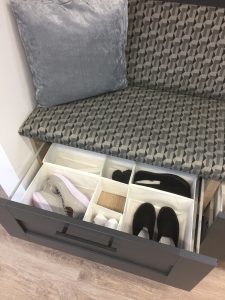
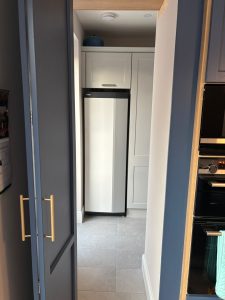
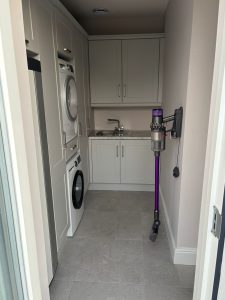
Finally, the rise of boot/utility rooms in 2025 is about more than just function. These spaces are becoming an essential part of the home, offering a practical area for muddy boots, laundry, and even pet care. When designed thoughtfully, a boot or utility room can make the home more organised and efficient, helping to optimise every inch of your space.
Key Design Elements for Boot Rooms:
- Durable Flooring: Materials like limestone or porcelain tiles can stand up to heavy traffic.
- Mudroom Essentials: Include a boot tray


As we move into 2025, the kitchen is no longer just a place for preparing meals; it has become a multi-functional space that reflects personal style, encourages social connection, and meets practical needs. Whether you’re drawn to the serene elegance of Japandi design, the sustainable appeal of eco-friendly materials, or the practicality of smart storage solutions, the trends for 2025 offer endless possibilities for creating a kitchen that works for you and your family.
At Hughes Kitchens, we’re committed to staying ahead of the curve and bringing the latest innovations in kitchen design to our clients.
We understand that your kitchen is more than just a space—it’s the heart of your home. By embracing these transformative trends, you can design a kitchen that is both functional and inspiring, creating a space that feels original, personal, and connected to the people you love. As you begin to plan your dream kitchen for 2025, remember that the best designs balance style, comfort, and sustainability—setting the stage for a future filled with creativity, connection, and joy.
